
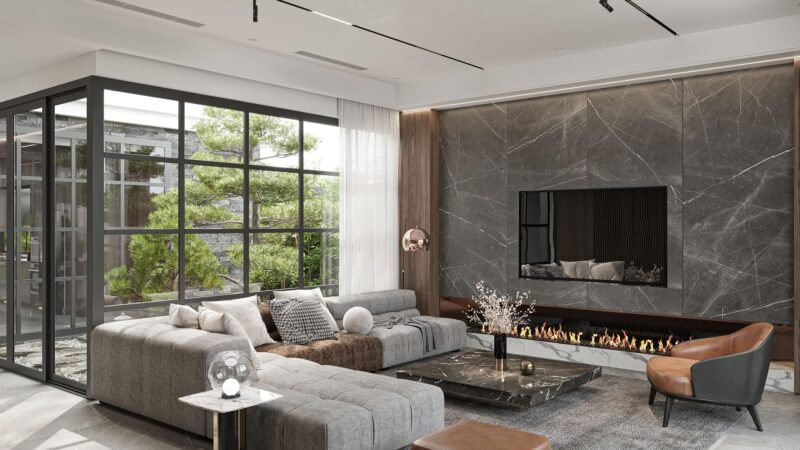
Modern architecture today is no longer only about appearance. Homeowners, architects, and developers are now focusing on energy efficiency, comfort, and sustainable living. One of the biggest design shifts seen across residential and commercial buildings is the growing use of aluminium and glass systems.
At Esthetics India, we have witnessed how thoughtfully designed aluminium and glass installations completely change how a space feels, performs, and consumes energy. Natural light has become a key design element not just for beauty but for smarter living.
Let’s explore how aluminium and glass work together to improve natural light while significantly reducing energy use.
The Growing Importance of Natural Light in Modern Architecture
Natural light is one of the most powerful yet underrated architectural elements. A well-lit space instantly feels
- Larger
- Healthier
- More welcoming
- More productive
Studies consistently show that exposure to daylight improves mood, concentration, and overall well-being. Homes filled with sunlight reduce dependence on artificial lighting during daytime hours, directly lowering electricity consumption.
Aluminium and glass systems make this possible without compromising safety or durability.
Why Aluminium is the Perfect Structural Material
Aluminium has become a preferred material in modern construction for several practical reasons.
1. Slim Profiles, Maximum Light
Unlike traditional materials, aluminium frames can be extremely slim yet structurally strong. Slim frames mean:
- Larger glass panels
- Wider openings
- More daylight penetration
This allows interiors to receive uninterrupted natural light throughout the day.
2. Strength Without Bulk
Aluminium supports large glass surfaces without heavy structures. This makes it ideal for:
- Floor-to-ceiling windows
- Sliding glass doors
- Glass façades
- Skylights and sunrooms
You gain openness without sacrificing stability.
3. Long-Term Durability
Aluminium is resistant to
- Rust
- Moisture damage
- Termites
- Weather fluctuations
This durability ensures energy performance remains consistent for years.
How Glass Technology Reduces Energy Consumption
Modern architectural glass is far more advanced than traditional window glass.
Energy-Efficient Glazing Systems
Today’s glass solutions include:
- Double glazing
- Low-E coated glass
- Insulated glass units
- Solar control glass
These technologies allow sunlight to enter while minimising unwanted heat transfer.
Result:
Bright interiors without excessive indoor heat.
Natural Light Without Overheating
A common myth is that more glass equals higher indoor temperatures. Modern aluminium and glass systems actually help regulate thermal performance.
High-performance glass works by:
- Reflecting excess solar heat
- Retaining indoor cooling
- Reducing reliance on air conditioning
When designed correctly, spaces stay cooler even with larger windows.
Lower Electricity Bills Through Smart Design
Energy savings happen in two major ways:
Reduced Artificial Lighting
Large aluminium windows and glass partitions distribute daylight deeper into rooms, reducing daytime electricity usage.
Improved Thermal Insulation
Advanced glazing reduces heat gain in summer and heat loss in winter, meaning:
- AC systems work less
- Energy consumption drops
- Utility bills decrease
Over time, these savings significantly offset installation costs.
Creating Seamless Indoor–Outdoor Living
One of the biggest lifestyle trends today is the connection between interior and exterior environments.
Aluminium sliding systems and glass walls allow the following:
- Garden views from inside
- Better ventilation
- Smooth indoor-outdoor transitions
- Enhanced property value
Spaces feel open, luxurious, and naturally connected to the surroundings.
Sustainability Benefits of Aluminium & Glass
Modern construction increasingly focuses on environmental responsibility.
Aluminium is:
- 100% recyclable
- Long-lasting
- Low maintenance
- Environmentally sustainable
Combined with energy-efficient glass, buildings reduce their overall carbon footprint while maintaining contemporary aesthetics.
Perfect Applications for Aluminium & Glass Systems
At Esthetics India, aluminium and glass solutions are commonly used for:
- Modern home elevations
- Office façades
- Balcony enclosures
- Skylights
- Glass partitions
- Sliding window systems
- Sunlit commercial showrooms
Each installation enhances both architectural beauty and functional performance.
Design Tips to Maximise Natural Light
To achieve the best results:
✔ Position large windows toward natural daylight directions
✔ Use light interior colours to reflect sunlight
✔ Combine sliding systems with open layouts
✔ Avoid heavy curtains blocking light flow
✔ Choose energy-efficient glass instead of standard glazing
Small design decisions make a major difference in lighting efficiency.
The Future of Architecture is Light-Focused Design
Modern buildings are evolving from closed structures to light-responsive living spaces. Aluminium and glass systems are no longer luxury features; they are smart architectural investments.
They deliver:
- Energy savings
- Better comfort
- Modern aesthetics
- Higher property value
- Sustainable living solutions
At Esthetics India, the goal is simple: create spaces that look elegant while working intelligently for the people who live and work inside them.
FAQs
1. How do aluminium windows improve natural light in homes?
Aluminium windows allow slimmer frames and larger glass panels, increasing daylight entry and reducing dependence on artificial lighting.
2. Does glass construction increase heat inside buildings?
No. Modern energy-efficient glass, such as double glazing and low-E glass, controls heat transfer, allowing light while minimising indoor temperature rise.
3. Are aluminium and glass energy-efficient building materials?
Yes. Aluminium supports large openings for daylight while insulated glass improves thermal performance, lowering electricity use and cooling costs.
4. Why are aluminium and glass popular in modern architecture?
They provide durability, minimal maintenance, modern aesthetics, and improved energy efficiency while creating bright and open living spaces.
5. Do aluminium and glass systems reduce electricity bills?
Yes. Increased natural lighting reduces artificial lighting needs, and insulated glazing lowers air-conditioning usage, leading to long-term energy savings.
Leave a Reply